Who are Quakers?
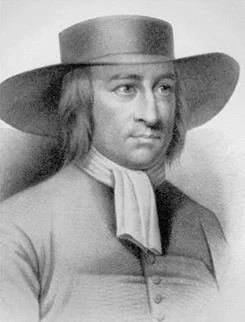
The Quaker Movement arose in mid-seventeenth Century England, a time of great social, political, and religious ferment. Followers of George Fox, the gifted leader of the movement, called themselves ‘Friends of Truth.’ ‘Quaker’ was a derisive nickname used by others, but Friends adopted the term and today ‘Friend’ and ‘Quaker’ mean the same and are used interchangeably. The formal title is ‘Religious Society of Friends.’ After some years of spiritual searching, Fox gathered about him a large and impressive following of persons who, like Fox, were searching for a vitality in their faith. Among them were William Penn, a founder of Pennsylvania, and Robert Barclay, scholar and theologian. Weary with the hollow formalism and strong emphasis on outward forms and ceremony, as if these were the essence of spirituality, Friends, seeking reality in their faith, found that they could experience God directly in their lives without the benefit of priest, symbol, liturgy and ritual. George Fox and his companions were, therefore, primarily concerned to free themselves and others from the forms and systems which had accumulated through the centuries and to revive as far as possible the simplicity and power of the primitive, early church. With emphasis on life and a direct experience of God, Quakerism is an attempt to express faith in life.
What do Quakers Believe?
We believe that every person is loved and guided by God. Broadly speaking, we affirm that “there is that of God in everyone.” Everyone is known by God in a direct relationship. Quakers use many words to describe the Devine. Some of those words include: God, the Light Within, Christ, Spirit, and Inward Light.
Generally, we believe rules tend to suck the life out of everything (if given enough time). Rigid doctrines are the same. That being said, here is what we believe:
Worship Style
Our gatherings are setup to allow for the Spirit to heal, inspire and guide us. We follow a familiar format, but if we feel the Spirit is leading us to do something different, we will follow.
Symbols and Simplicity
Symbols can be helpful but are not necessary to be a good Christian or to have an intimate experience with Christ. We also like to keep things simple to help remind us it is not about the building, the carpeting, the gold crosses, or any other thing; it’s all about relational experience with God.
Sacraments
Intimacy with the divine can come at any time and at any place. Therefore sacraments, such as holy communion and even baptism, are not necessary. Those things can often become ritualistic and obligatory, which misses the point of inward transformation. Because they are not necessary, we tend to not to take part in sacraments.
Stillness
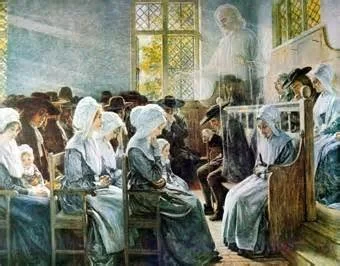
Each week we set aside some time in our gatherings for stillness and silence. For some, this is a time of reflection and meditation, for others, this is a time for experiencing Divine Love in new ways. This time is often referred to as ‘open worship’. During this time, attendees may feel like the Spirit is prompting them to share words with the rest of the gathering and will stand up and speak. Some of the most beautiful words of inspiration and wisdom come from this special time.
Our Mission
We exist to invite people into a living faith in God through Jesus Christ, to transform us into mature disciples by the work of the Holy Spirit, and to send us into the world as witnesses of Christ Jesus.
Yes, we are Quaker (or Friends). If you want to learn more, visit a gathering!
If you prefer to read a more formal doctrinal statement, you can do that here: Faith and Practice
Start Your Journey
Have questions or ready to collaborate on a transformative faith experience? Submit the form and let’s shape the future together.